Product hub

Meet the

Model Development

team

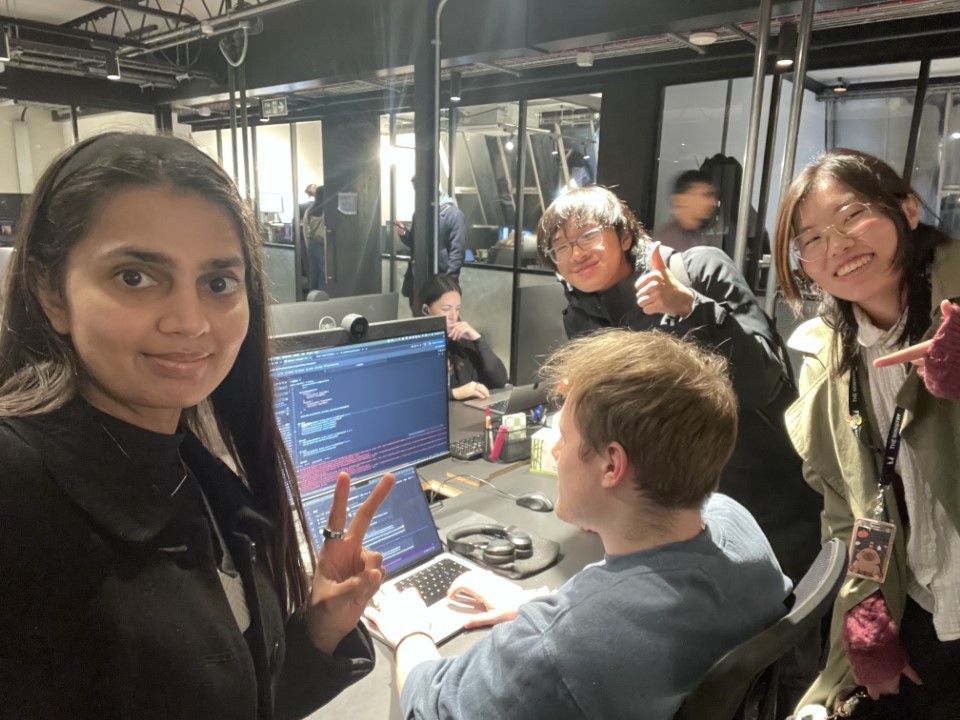
We build the pricing brains that power hx Renew.

Model Development at hx sits at the intersection of production engineering, actuarial complexity and customer delivery: where you turn legacy pricing logic into modern, trusted models.

Explore our Teams

Model Development

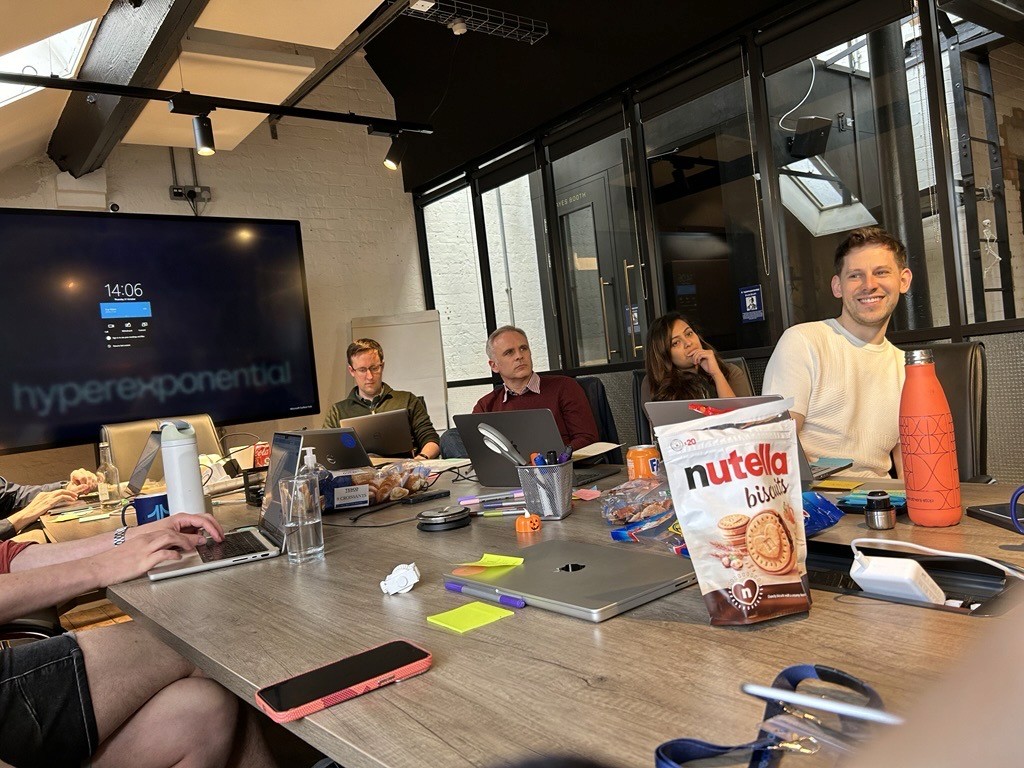
Is a consulting-style engineering team that works directly with customers to build production-grade pricing and reinsurance models in hx Renew. You translate legacy Excel models or design new ones from scratch, coach customers to own and extend their models, and work across global carriers, reinsurers and specialist MGAs. This is high-stakes, customer-facing work where you're often the main technical touchpoint customers have with hx. You need strong coding craft, clear communication under pressure, and the ability to move between technical depth and stakeholder conversations seamlessly.

Model Development

Model Development

Is a consulting-style engineering team that works directly with customers to build production-grade pricing and reinsurance models in hx Renew. You translate legacy Excel models or design new ones from scratch, coach customers to own and extend their models, and work across global carriers, reinsurers and specialist MGAs. This is high-stakes, customer-facing work where you're often the main technical touchpoint customers have with hx. You need strong coding craft, clear communication under pressure, and the ability to move between technical depth and stakeholder conversations seamlessly.

Model Development

Model Development

Is a consulting-style engineering team that works directly with customers to build production-grade pricing and reinsurance models in hx Renew. You translate legacy Excel models or design new ones from scratch, coach customers to own and extend their models, and work across global carriers, reinsurers and specialist MGAs. This is high-stakes, customer-facing work where you're often the main technical touchpoint customers have with hx. You need strong coding craft, clear communication under pressure, and the ability to move between technical depth and stakeholder conversations seamlessly.

Model Development

You explain complex logic to actuaries, IT teams and C-suite alike.

Consulting without the traditional consulting grind.

Show and tell culture: solve it once, share it with everyone.

Scaffolding at the start. Full ownership as you grow.

You explain complex logic to actuaries, IT teams and C-suite alike.

You work across Product, CS, Sales and Solutions Architecture daily.

How MDT is structured

One team working in two-week sprints

Building and translating models

Wide range of pricing models across markets and lines. Some customers want speed. Others want transformation. AI-assisted tools speed up development, but the thinking and craft are still yours.

Coaching and enabling customers

You don't just deliver models and walk away. You coach customer teams to extend and maintain their own models, ensuring they can move fast independently once you've laid the foundation.

Sharing patterns across the team

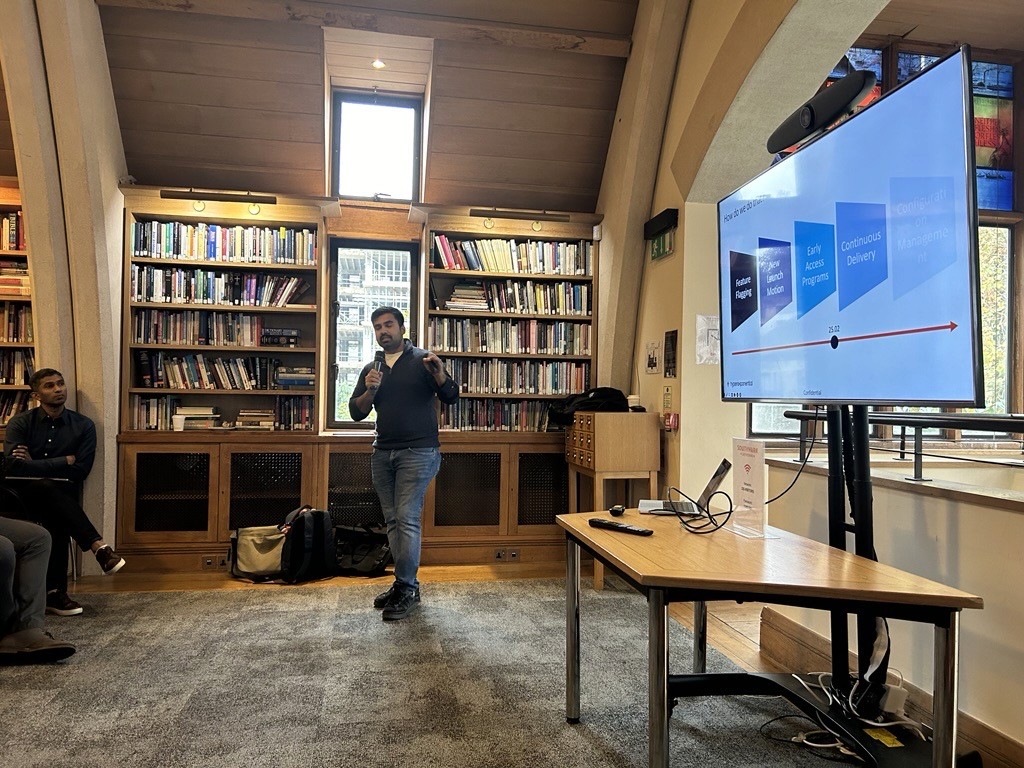
Regular show and tell sessions mean you solve hard problems once, then share the solution. Clever model patterns become reusable components that accelerate future builds across all customers.

product IN practice

When we say Product at hx is different,
this is what we mean

No jumplinks detected

1

Converting actuarial logic into production code

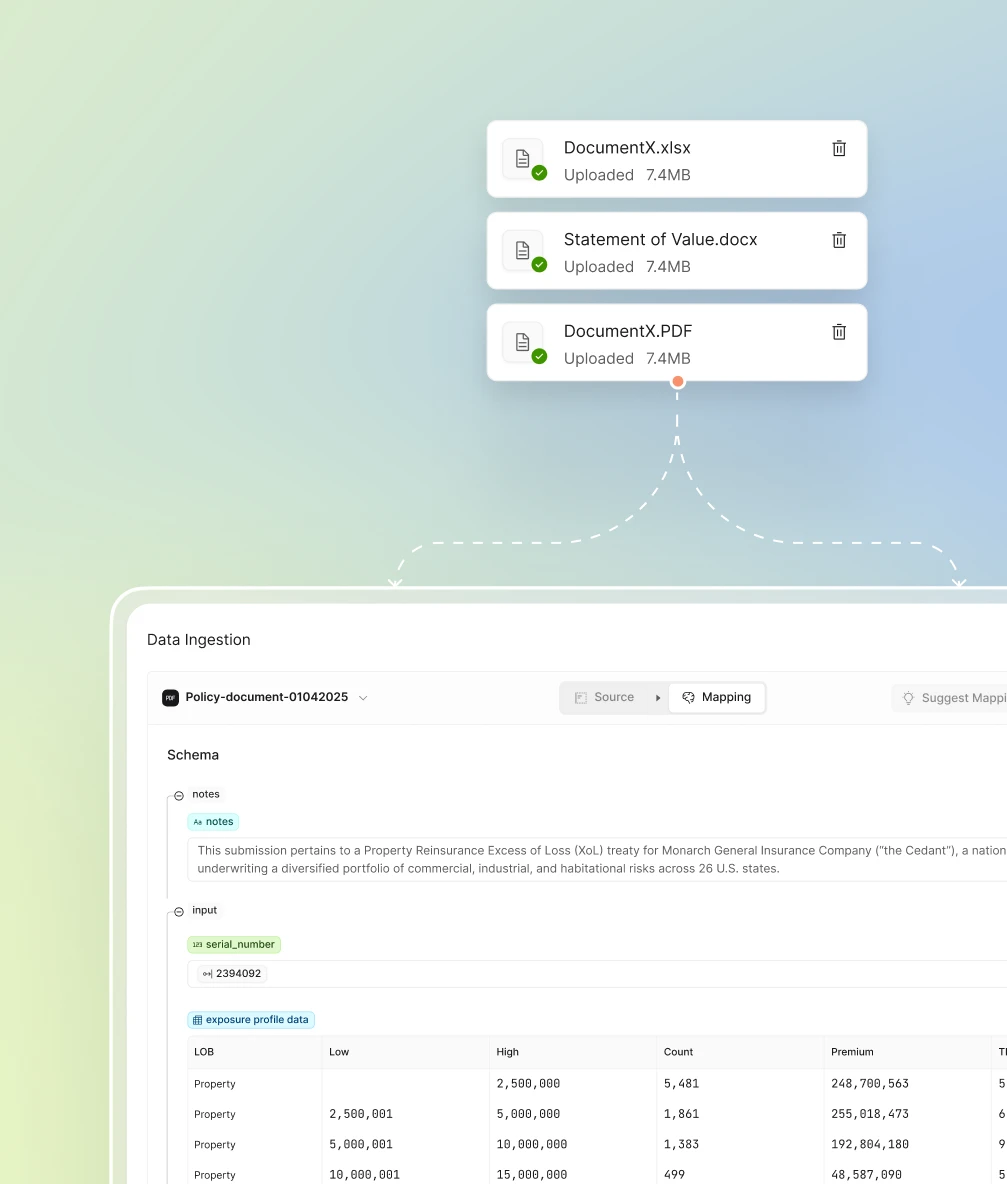
Model Developers translate complex pricing models - often built in Excel over years - into production-grade code that runs on the hx platform. You work directly with customer actuaries to understand their pricing logic, business rules and edge cases, then rebuild it in a way that's maintainable, testable and performs at scale.

Converting actuarial logic into production code

Model Developers translate complex pricing models - often built in Excel over years - into production-grade code that runs on the hx platform. You work directly with customer actuaries to understand their pricing logic, business rules and edge cases, then rebuild it in a way that's maintainable, testable and performs at scale.

Converting actuarial logic into production code

Model Developers translate complex pricing models - often built in Excel over years - into production-grade code that runs on the hx platform. You work directly with customer actuaries to understand their pricing logic, business rules and edge cases, then rebuild it in a way that's maintainable, testable and performs at scale.

2

Customer-specific implementations

Every customer's pricing approach is different - different perils, rating factors, regulatory requirements. You build bespoke models tailored to each insurer's book of business, working through their historical data, understanding their appetite and risk tolerances, and implementing logic that matches how they actually underwrite.

Customer-specific implementations

Every customer's pricing approach is different - different perils, rating factors, regulatory requirements. You build bespoke models tailored to each insurer's book of business, working through their historical data, understanding their appetite and risk tolerances, and implementing logic that matches how they actually underwrite.

Customer-specific implementations

Every customer's pricing approach is different - different perils, rating factors, regulatory requirements. You build bespoke models tailored to each insurer's book of business, working through their historical data, understanding their appetite and risk tolerances, and implementing logic that matches how they actually underwrite.

3

Building models that pricing teams trust

You don't just make code work - you make it match how actuaries think. This means maintaining transparency in rating logic, providing clear audit trails, and ensuring models produce explainable results that underwriters can defend to regulators and reinsurers. The challenge is balancing technical efficiency with the need for actuarial credibility.

Building models that pricing teams trust

You don't just make code work - you make it match how actuaries think. This means maintaining transparency in rating logic, providing clear audit trails, and ensuring models produce explainable results that underwriters can defend to regulators and reinsurers. The challenge is balancing technical efficiency with the need for actuarial credibility.

Building models that pricing teams trust

You don't just make code work - you make it match how actuaries think. This means maintaining transparency in rating logic, providing clear audit trails, and ensuring models produce explainable results that underwriters can defend to regulators and reinsurers. The challenge is balancing technical efficiency with the need for actuarial credibility.

4

Working at the intersection of customer delivery and product

Model Developers sit between customer-specific implementation and platform capabilities. You identify patterns across customer models that should become platform features, feed product requirements back based on real implementation challenges, and help shape how the hx platform evolves to support increasingly complex pricing needs.

Working at the intersection of customer delivery and product

Model Developers sit between customer-specific implementation and platform capabilities. You identify patterns across customer models that should become platform features, feed product requirements back based on real implementation challenges, and help shape how the hx platform evolves to support increasingly complex pricing needs.

Working at the intersection of customer delivery and product

Model Developers sit between customer-specific implementation and platform capabilities. You identify patterns across customer models that should become platform features, feed product requirements back based on real implementation challenges, and help shape how the hx platform evolves to support increasingly complex pricing needs.

Daniel Radigan

Senior Model Developer

outcomes

MDT’s playful use cases for hx Renew

Every technical new joiner builds and deploys a project inside hx renew, a way to learn fast, go deep, and show what’s possible from day one.

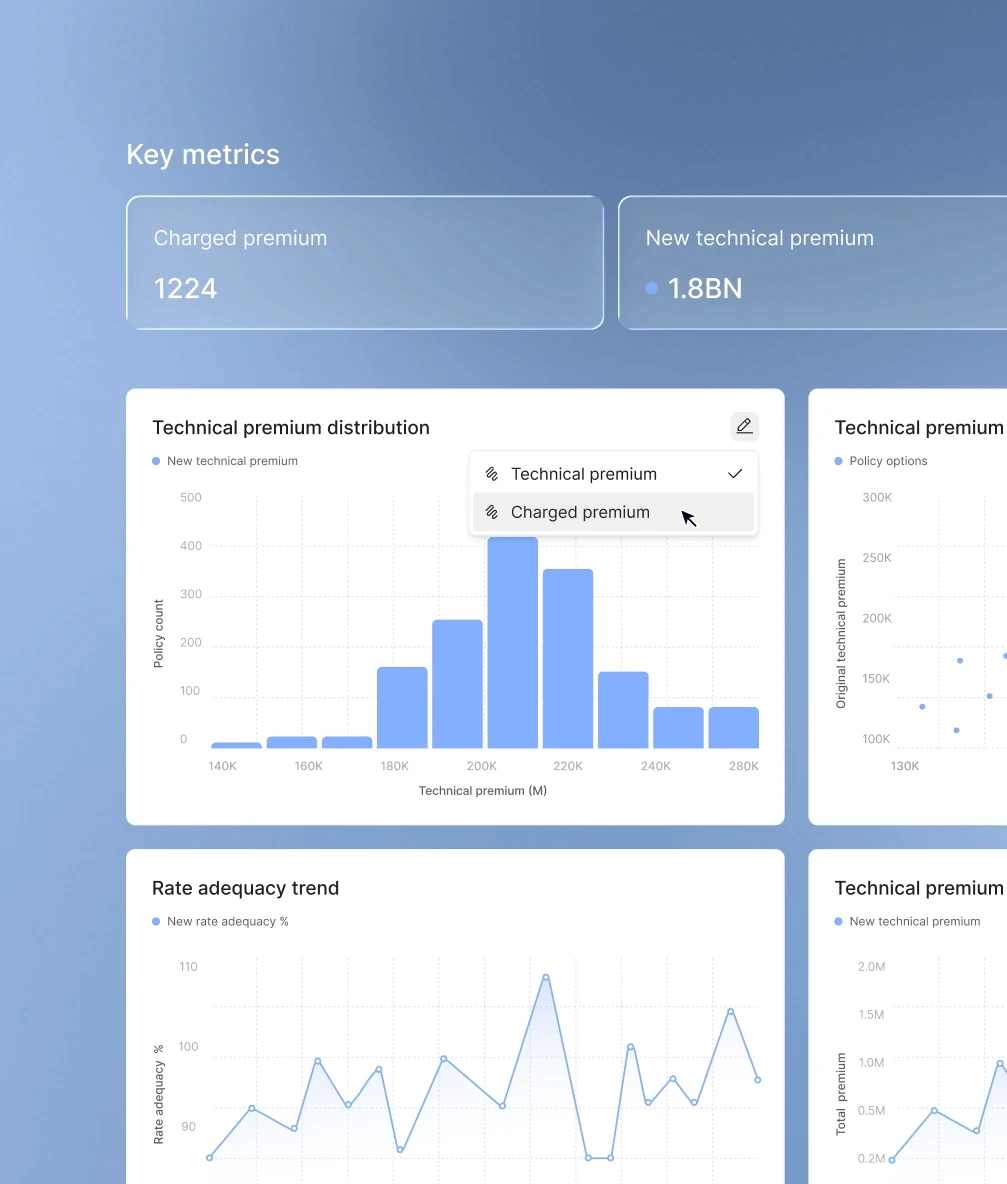
I’ve always wanted to create a temperature quilt, but realised it would involve a lot of calculations to estimate fabric needs. To simplify the process, I built a model using daily temperature data. I plan to extend it with three years of historical data to predict next year’s fabric requirements and compare the results to the actual data. Through this project, I learned about CUICs and loved seeing the visuals come to life.

Elena Cukanovaite

01/02

outcomes

MDT’s playful use cases for hx Renew

Every technical new joiner builds and deploys a project inside hx renew, a way to learn fast, go deep, and show what’s possible from day one.

I’ve always wanted to create a temperature quilt, but realised it would involve a lot of calculations to estimate fabric needs. To simplify the process, I built a model using daily temperature data. I plan to extend it with three years of historical data to predict next year’s fabric requirements and compare the results to the actual data. Through this project, I learned about CUICs and loved seeing the visuals come to life.

Elena Cukanovaite

01/02

outcomes

MDT’s playful use cases for hx Renew

Every technical new joiner builds and deploys a project inside hx renew, a way to learn fast, go deep, and show what’s possible from day one.

I’ve always wanted to create a temperature quilt, but realised it would involve a lot of calculations to estimate fabric needs. To simplify the process, I built a model using daily temperature data. I plan to extend it with three years of historical data to predict next year’s fabric requirements and compare the results to the actual data. Through this project, I learned about CUICs and loved seeing the visuals come to life.

Elena Cukanovaite

01/02

our team

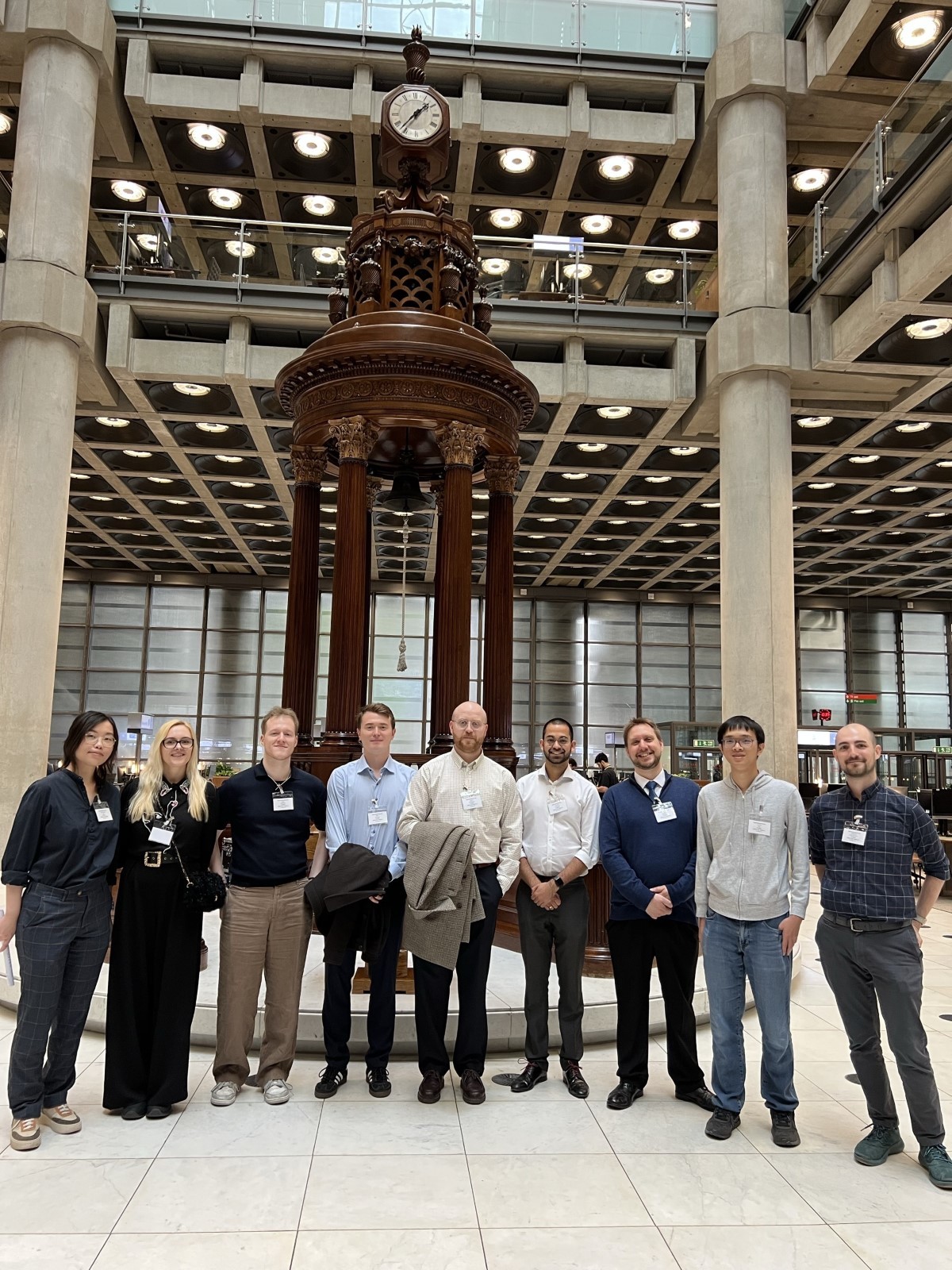
Who you’ll build with

Those shaping what others won’t even try

Image

Barbara Ding

Model Developer

Image

Narayan Kuleindiren

Model Developer

Image

Mohamad Jamil

Junior Model Developer

Image

Jesal Mandalia

Model Developer

Image

Lok-Hin Chan

Model Developer

Image

Kye Westgarth

Senior Model Developer

Image

James Bradshaw

Model Developer

Image

Jake Pearce

Junior Model Developer

Image

Seb Saint Arroman

Senior Model Developer

Image

Matt Anthony

Senior Model Developer

Image

Søren Andersen

Junior Model Developer

Image

Daniel Radigan

Senior Model Developer

Image

Billy Ford

Model Developer

Image

Joe Mulholland

Model Developer

Image

Elena Cukanovaite

Junior Model Developer

Image

Rob Williams

Head of Customer Delivery

Image

Barbara Ding

Model Developer

Image

Narayan Kuleindiren

Model Developer

Image

Mohamad Jamil

Junior Model Developer

Image

Jesal Mandalia

Model Developer

Image

Lok-Hin Chan

Model Developer

Image

Kye Westgarth

Senior Model Developer

Image

James Bradshaw

Model Developer

Image

Jake Pearce

Junior Model Developer

Image

Seb Saint Arroman

Senior Model Developer

Image

Matt Anthony

Senior Model Developer

Image

Søren Andersen

Junior Model Developer

Image

Daniel Radigan

Senior Model Developer

Image

Billy Ford

Model Developer

Image

Joe Mulholland

Model Developer

Image

Elena Cukanovaite

Junior Model Developer

Image

Rob Williams

Head of Customer Delivery

Image

Barbara Ding

Model Developer

Image

Narayan Kuleindiren

Model Developer

Image

Mohamad Jamil

Junior Model Developer

Image

Jesal Mandalia

Model Developer

Image

Lok-Hin Chan

Model Developer

Image

Kye Westgarth

Senior Model Developer

Image

James Bradshaw

Model Developer

Image

Jake Pearce

Junior Model Developer

Image

Seb Saint Arroman

Senior Model Developer

Image

Matt Anthony

Senior Model Developer

Image

Søren Andersen

Junior Model Developer

Image

Daniel Radigan

Senior Model Developer

Image

Billy Ford

Model Developer

Image

Joe Mulholland

Model Developer

Image

Elena Cukanovaite

Junior Model Developer

Image

Rob Williams

Head of Customer Delivery

The right environment changes everything. To thrive in

Model Development

at hx, you will need

The patterns of our very best MDT people

They're comfortable in front of customers

Most of your time is on customer projects, not internal experiments. You're often the main technical face customers see. You explain complex logic clearly to actuaries, IT teams and C-suite stakeholders under real pressure.

They write production-grade code, not prototypes

Your code goes live with real underwriters. It's not a university project or a one-off script. You move from decent coder to fully tested, maintainable models that hold up under scrutiny.

They own outcomes, not just tasks

You don't just write code and move on. You see projects through, coach customers to extend their models, and take responsibility for whether the engagement succeeds or struggles.

What the environment gives back

Scaffolding that scales with readiness

You start with strong support and senior oversight. As you grow, you lead engagements end to end and present at user groups. We push you to the edge of your comfort zone while owning the risk at leadership level.

You develop two skill sets most people build separately

Production-grade engineering and stakeholder management under pressure. You learn how to write robust code and how to explain it to C-suite executives. Most people spend years building one or the other - you build both simultaneously.

Compressed learning across markets

You move between global carriers, specialist MGAs and complex reinsurance structures. You see how different markets price risk, how different customers work, and you build models that matter

The Anatomy of an hxer

  • Ideas aren't identity

  • Takes ownership without waiting for permission

  • Comfortable with ambiguity

  • Ownership beyond role

  • Low ego, high standards

  • Bias for depth

  • Intellectually curious

  • Commercially aware

  • Self-disciplined

  • Ideas aren't identity

  • Takes ownership without waiting for permission

  • Comfortable with ambiguity

  • Ownership beyond role

  • Low ego, high standards

  • Bias for depth

  • Intellectually curious

  • Commercially aware

  • Self-disciplined

  • Ideas aren't identity

  • Takes ownership without waiting for permission

  • Comfortable with ambiguity

  • Ownership beyond role

  • Low ego, high standards

  • Bias for depth

  • Intellectually curious

  • Commercially aware

  • Self-disciplined

No perfect fit today? Let’s stay in touch.

Our talent pool is how we stay in touch with people we’d genuinely like to work with. You’ll hear about what we’re building, how our teams are evolving, and where new opportunities are emerging.

If hx might be a place you want to work in the future, you can join below.

Join our Talent Pool →

FAQs

01

How complex is the integration and set-up?

hx's API-first, composable architecture enables phased deployment alongside existing systems. Start with Submission Ingestion & Triage or Pricing & Rating, then expand—no rip-and-replace required. Carriers using this approach have achieved 40% faster cycle times while reducing IT integration costs.

02

Is the triage system a black box?

hx's API-first, composable architecture enables phased deployment alongside existing systems. Start with Submission Ingestion & Triage or Pricing & Rating, then expand—no rip-and-replace required. Carriers using this approach have achieved 40% faster cycle times while reducing IT integration costs.

03

What submission formats do you support?

hx's API-first, composable architecture enables phased deployment alongside existing systems. Start with Submission Ingestion & Triage or Pricing & Rating, then expand—no rip-and-replace required. Carriers using this approach have achieved 40% faster cycle times while reducing IT integration costs.

04

What are the main differences between hx's Submission and Triage solution and other similar tools?

hx's API-first, composable architecture enables phased deployment alongside existing systems. Start with Submission Ingestion & Triage or Pricing & Rating, then expand—no rip-and-replace required. Carriers using this approach have achieved 40% faster cycle times while reducing IT integration costs.

FAQs

01

How complex is the integration and set-up?

hx's API-first, composable architecture enables phased deployment alongside existing systems. Start with Submission Ingestion & Triage or Pricing & Rating, then expand—no rip-and-replace required. Carriers using this approach have achieved 40% faster cycle times while reducing IT integration costs.

02

Is the triage system a black box?

hx's API-first, composable architecture enables phased deployment alongside existing systems. Start with Submission Ingestion & Triage or Pricing & Rating, then expand—no rip-and-replace required. Carriers using this approach have achieved 40% faster cycle times while reducing IT integration costs.

03

What submission formats do you support?

hx's API-first, composable architecture enables phased deployment alongside existing systems. Start with Submission Ingestion & Triage or Pricing & Rating, then expand—no rip-and-replace required. Carriers using this approach have achieved 40% faster cycle times while reducing IT integration costs.

04

What are the main differences between hx's Submission and Triage solution and other similar tools?

hx's API-first, composable architecture enables phased deployment alongside existing systems. Start with Submission Ingestion & Triage or Pricing & Rating, then expand—no rip-and-replace required. Carriers using this approach have achieved 40% faster cycle times while reducing IT integration costs.

Accelerate your journey
from submission to decision

© 2025 hyperexponential

QMS Certificate No. 306072018

© 2025 hyperexponential

QMS Certificate No. 306072018