Product hub

Meet the

AI

team

We build what AI-native insurance looks like.

AI at hx combines applied research and product engineering in one of the most complex domains AI can tackle: insurance pricing and underwriting.

Explore our Teams

Research

Research at hx is true R&D - not just the D. You explore the frontier of what language models can and can't do for actuarial and underwriting work, running experiments to uncover where AI creates transformational value and where it doesn't. The work is rigorous, ambiguous, and high-stakes - and if you find something, it could reshape the industry. Most R&D teams don't actually do research. This one does.

Research

Agents

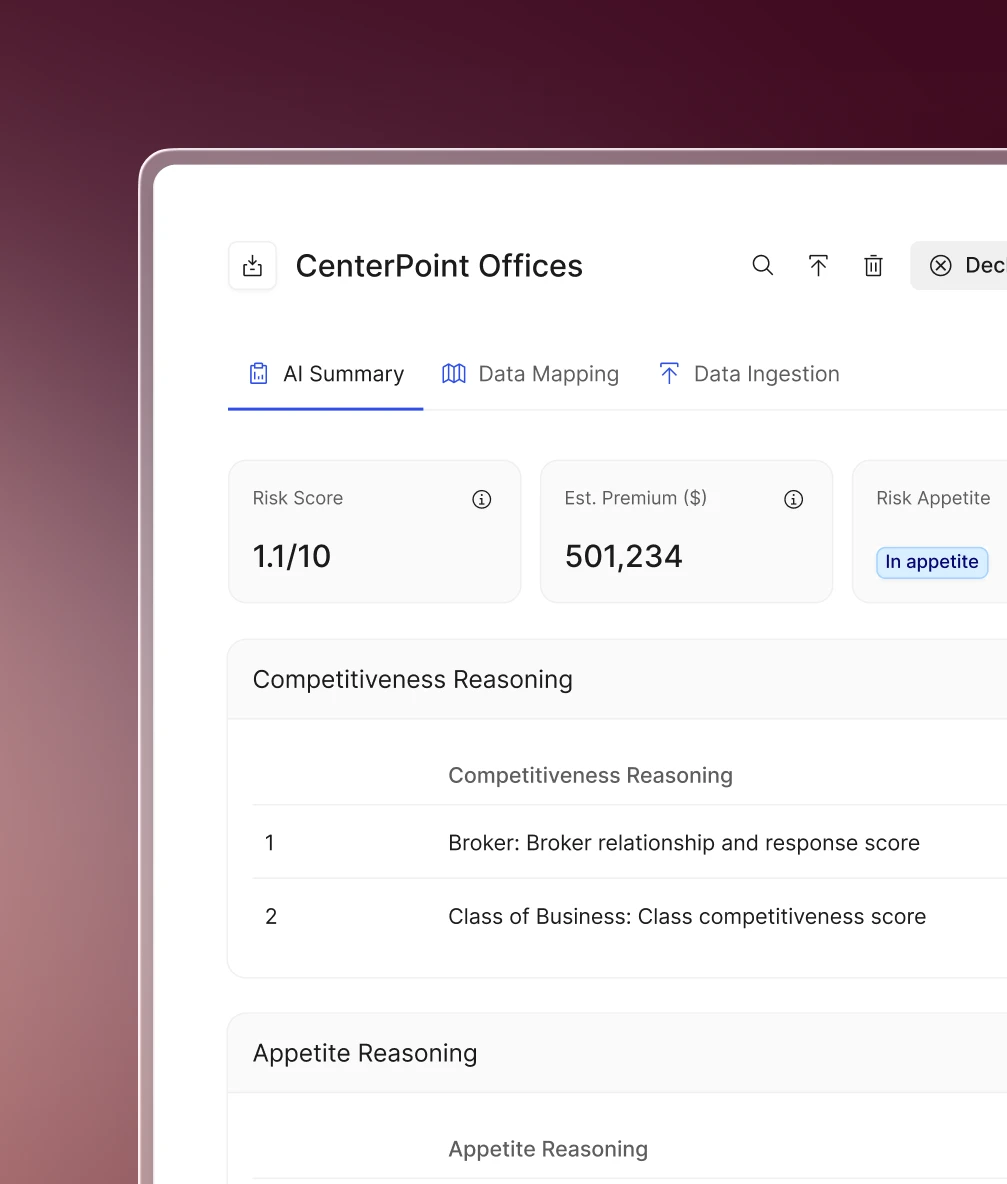
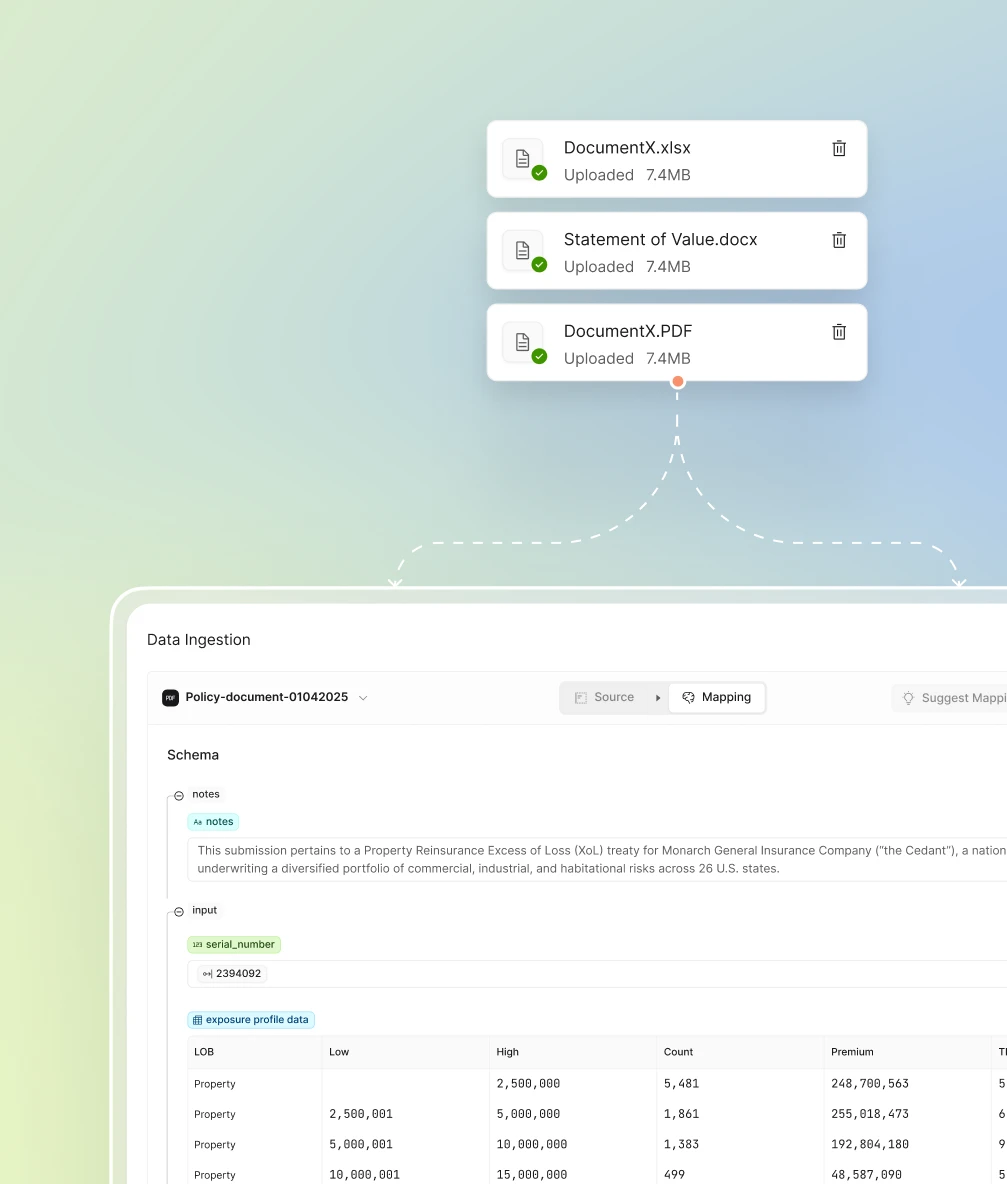
Agents at hx takes proven concepts and scales them into production products. You own AI products like the ingestion agent and actuarial agent - improving accuracy, building trust, and shipping to customers who are already paying. The work blends product engineering with applied AI, and you're expected to move fast without breaking what's already working. This is 1-to-100 work, not science projects.

Agents

Research

Research at hx is true R&D - not just the D. You explore the frontier of what language models can and can't do for actuarial and underwriting work, running experiments to uncover where AI creates transformational value and where it doesn't. The work is rigorous, ambiguous, and high-stakes - and if you find something, it could reshape the industry. Most R&D teams don't actually do research. This one does.

Research

Agents

Agents at hx takes proven concepts and scales them into production products. You own AI products like the ingestion agent and actuarial agent - improving accuracy, building trust, and shipping to customers who are already paying. The work blends product engineering with applied AI, and you're expected to move fast without breaking what's already working. This is 1-to-100 work, not science projects.

Agents

Research

Research at hx is true R&D - not just the D. You explore the frontier of what language models can and can't do for actuarial and underwriting work, running experiments to uncover where AI creates transformational value and where it doesn't. The work is rigorous, ambiguous, and high-stakes - and if you find something, it could reshape the industry. Most R&D teams don't actually do research. This one does.

Research

Agents

Agents at hx takes proven concepts and scales them into production products. You own AI products like the ingestion agent and actuarial agent - improving accuracy, building trust, and shipping to customers who are already paying. The work blends product engineering with applied AI, and you're expected to move fast without breaking what's already working. This is 1-to-100 work, not science projects.

Agents

We might be the only company in the world building a best-in-class actuarial agent.

0-to-1 on products no one else has shipped.

Language models that reason, not just query.

Force multipliers, not solo operators. Pro-code platform, vertical AI, bleeding-edge research.

You'll learn in 3 months what takes a year elsewhere.

product IN practice

When we say Product at hx is different,
this is what we mean

No jumplinks detected

1

Converting actuarial logic into production code

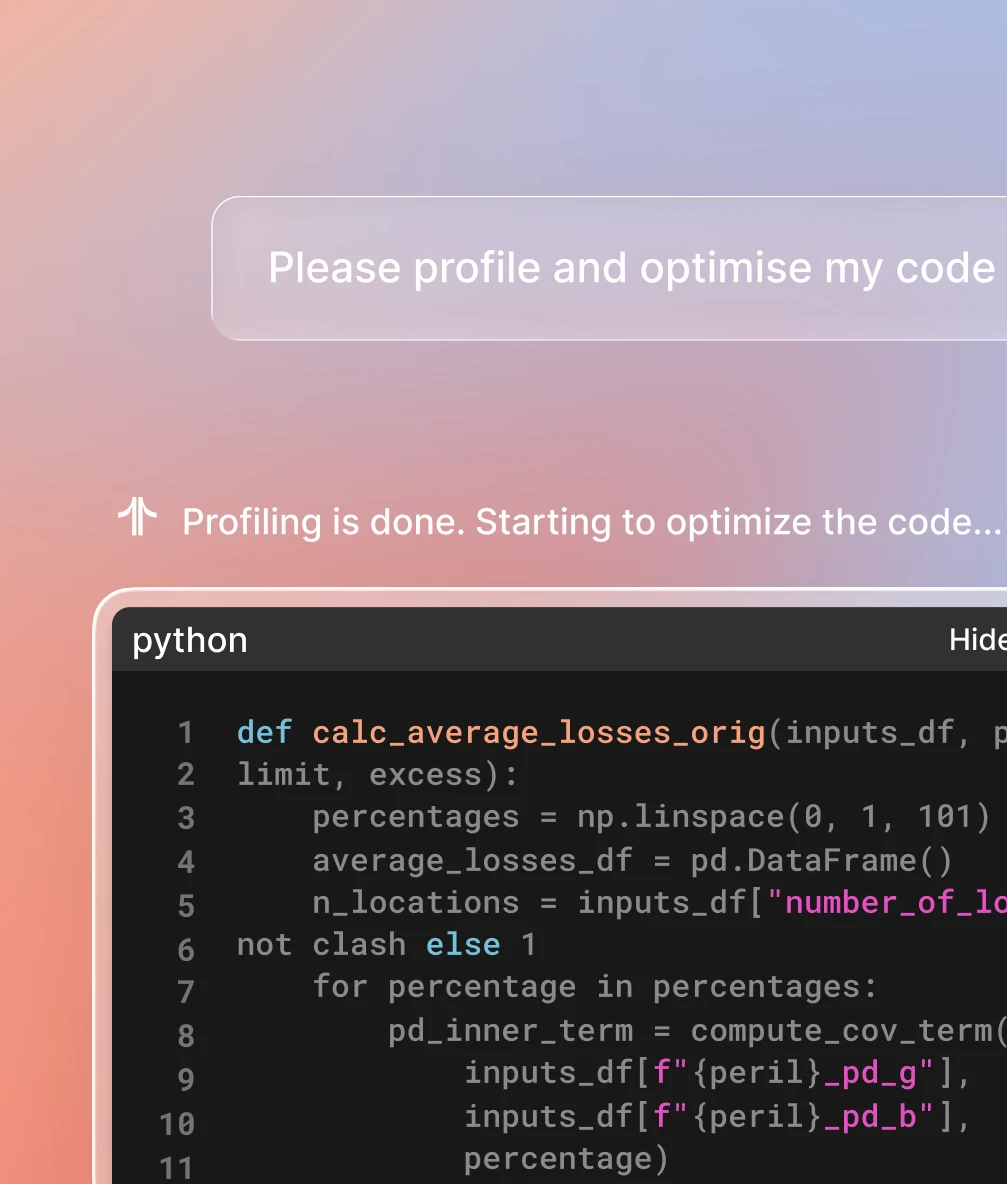
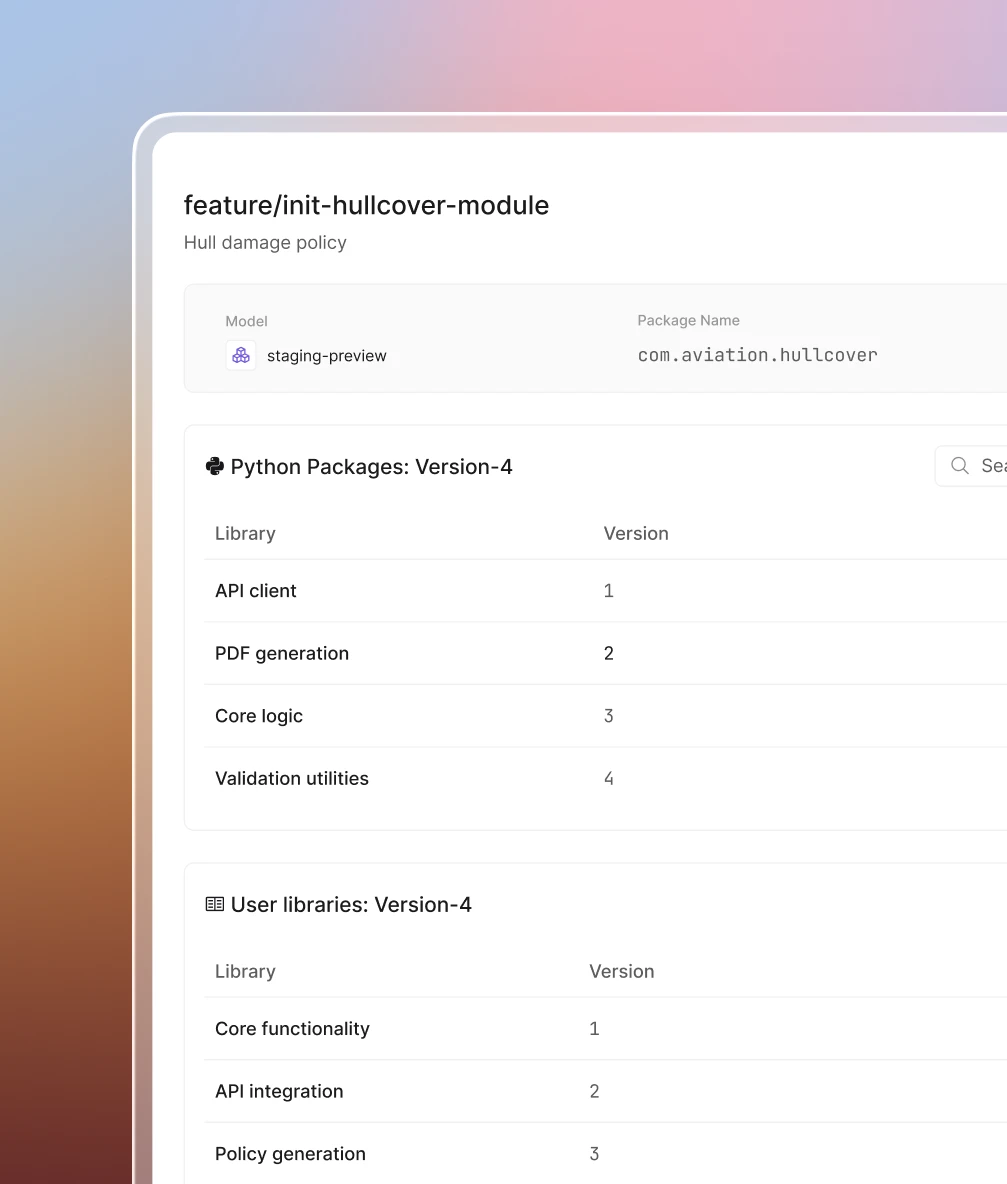
Model Developers translate complex pricing models - often built in Excel over years - into production-grade code that runs on the hx platform. You work directly with customer actuaries to understand their pricing logic, business rules and edge cases, then rebuild it in a way that's maintainable, testable and performs at scale.

Converting actuarial logic into production code

Model Developers translate complex pricing models - often built in Excel over years - into production-grade code that runs on the hx platform. You work directly with customer actuaries to understand their pricing logic, business rules and edge cases, then rebuild it in a way that's maintainable, testable and performs at scale.

Converting actuarial logic into production code

Model Developers translate complex pricing models - often built in Excel over years - into production-grade code that runs on the hx platform. You work directly with customer actuaries to understand their pricing logic, business rules and edge cases, then rebuild it in a way that's maintainable, testable and performs at scale.

2

Customer-specific implementations

Every customer's pricing approach is different - different perils, rating factors, regulatory requirements. You build bespoke models tailored to each insurer's book of business, working through their historical data, understanding their appetite and risk tolerances, and implementing logic that matches how they actually underwrite.

Customer-specific implementations

Every customer's pricing approach is different - different perils, rating factors, regulatory requirements. You build bespoke models tailored to each insurer's book of business, working through their historical data, understanding their appetite and risk tolerances, and implementing logic that matches how they actually underwrite.

Customer-specific implementations

Every customer's pricing approach is different - different perils, rating factors, regulatory requirements. You build bespoke models tailored to each insurer's book of business, working through their historical data, understanding their appetite and risk tolerances, and implementing logic that matches how they actually underwrite.

3

Building models that pricing teams trust

You don't just make code work - you make it match how actuaries think. This means maintaining transparency in rating logic, providing clear audit trails, and ensuring models produce explainable results that underwriters can defend to regulators and reinsurers. The challenge is balancing technical efficiency with the need for actuarial credibility.

Building models that pricing teams trust

You don't just make code work - you make it match how actuaries think. This means maintaining transparency in rating logic, providing clear audit trails, and ensuring models produce explainable results that underwriters can defend to regulators and reinsurers. The challenge is balancing technical efficiency with the need for actuarial credibility.

Building models that pricing teams trust

You don't just make code work - you make it match how actuaries think. This means maintaining transparency in rating logic, providing clear audit trails, and ensuring models produce explainable results that underwriters can defend to regulators and reinsurers. The challenge is balancing technical efficiency with the need for actuarial credibility.

4

Working at the intersection of customer delivery and product

Model Developers sit between customer-specific implementation and platform capabilities. You identify patterns across customer models that should become platform features, feed product requirements back based on real implementation challenges, and help shape how the hx platform evolves to support increasingly complex pricing needs.

Working at the intersection of customer delivery and product

Model Developers sit between customer-specific implementation and platform capabilities. You identify patterns across customer models that should become platform features, feed product requirements back based on real implementation challenges, and help shape how the hx platform evolves to support increasingly complex pricing needs.

Working at the intersection of customer delivery and product

Model Developers sit between customer-specific implementation and platform capabilities. You identify patterns across customer models that should become platform features, feed product requirements back based on real implementation challenges, and help shape how the hx platform evolves to support increasingly complex pricing needs.

Adam Ben-David (ABD)

Senior Director, AI

our team

Who you’ll build with

Those shaping what others won’t even try

Image

Anna Shopova

Software Engineer

Image

Maksym Orliuk

Senior Engineer - AI

Image

Elliot Thomas

Acting Engineering Manager

Image

Daphne von Uexküll

Research Engineer

Image

Charlie Hetherington

Research Engineer

Image

Vilius Jaseliunas

AI Engineer

Image

Adam Ben-David

Senior Director of AI

Image

Anna Shopova

Software Engineer

Image

Maksym Orliuk

Senior Engineer - AI

Image

Elliot Thomas

Acting Engineering Manager

Image

Daphne von Uexküll

Research Engineer

Image

Charlie Hetherington

Research Engineer

Image

Vilius Jaseliunas

AI Engineer

Image

Adam Ben-David

Senior Director of AI

Image

Anna Shopova

Software Engineer

Image

Maksym Orliuk

Senior Engineer - AI

Image

Elliot Thomas

Acting Engineering Manager

Image

Daphne von Uexküll

Research Engineer

Image

Charlie Hetherington

Research Engineer

Image

Vilius Jaseliunas

AI Engineer

Image

Adam Ben-David

Senior Director of AI

The right environment changes everything. To thrive in

AI

at hx, you will need

The patterns of our very best AI people

They're curious, not anxious, when the map is gray

They don't freeze when there's no instruction set. They look at a completely unknown problem and get excited - they want to know what's behind the clouds. If ambiguity drains you, this isn't the team.

They have grit - the rough kind

Not just persistence in an orderly environment. Grit like tunnelling through granite - sharp, uncomfortable, and unpredictable. They expect most things to fail, and they keep going when the problem complexity explodes beyond what they expected.

They leverage the team, not just deliver to it

They don't work problems alone. They unlock what's in other people's heads - giving the right context, the right storytelling, to multiply creativity. Force multipliers, not solo operators.

What the environment gives back

Depth that compounds

You're not skimming the surface or bolting AI onto something that already exists. You'll go deep on applied research, production agents, and infrastructure - and that depth stays with you.

Blue sky for growth

No team leads yet. No engineering managers. Senior IC roles are open, management tracks are open. The team is scaling, it's strategic to the company, and it's working - which means continuous investment, not a 6-month experiment that gets cut.

Backing from the best

a16z and Battery have invested in the biggest AI companies on the planet - and they expect hx to be another. AI isn't a side bet here. It's the mandate.


The Anatomy of an hxer

  • Ideas aren't identity

  • Takes ownership without waiting for permission

  • Comfortable with ambiguity

  • Ownership beyond role

  • Low ego, high standards

  • Bias for depth

  • Intellectually curious

  • Commercially aware

  • Self-disciplined

  • Ideas aren't identity

  • Takes ownership without waiting for permission

  • Comfortable with ambiguity

  • Ownership beyond role

  • Low ego, high standards

  • Bias for depth

  • Intellectually curious

  • Commercially aware

  • Self-disciplined

  • Ideas aren't identity

  • Takes ownership without waiting for permission

  • Comfortable with ambiguity

  • Ownership beyond role

  • Low ego, high standards

  • Bias for depth

  • Intellectually curious

  • Commercially aware

  • Self-disciplined

No perfect fit today? Let’s stay in touch.

Our talent pool is how we stay in touch with people we’d genuinely like to work with. You’ll hear about what we’re building, how our teams are evolving, and where new opportunities are emerging.

If hx might be a place you want to work in the future, you can join below.

Join our Talent Pool →

FAQs

01

How complex is the integration and set-up?

hx's API-first, composable architecture enables phased deployment alongside existing systems. Start with Submission Ingestion & Triage or Pricing & Rating, then expand—no rip-and-replace required. Carriers using this approach have achieved 40% faster cycle times while reducing IT integration costs.

02

Is the triage system a black box?

hx's API-first, composable architecture enables phased deployment alongside existing systems. Start with Submission Ingestion & Triage or Pricing & Rating, then expand—no rip-and-replace required. Carriers using this approach have achieved 40% faster cycle times while reducing IT integration costs.

03

What submission formats do you support?

hx's API-first, composable architecture enables phased deployment alongside existing systems. Start with Submission Ingestion & Triage or Pricing & Rating, then expand—no rip-and-replace required. Carriers using this approach have achieved 40% faster cycle times while reducing IT integration costs.

04

What are the main differences between hx's Submission and Triage solution and other similar tools?

hx's API-first, composable architecture enables phased deployment alongside existing systems. Start with Submission Ingestion & Triage or Pricing & Rating, then expand—no rip-and-replace required. Carriers using this approach have achieved 40% faster cycle times while reducing IT integration costs.

FAQs

01

How complex is the integration and set-up?

hx's API-first, composable architecture enables phased deployment alongside existing systems. Start with Submission Ingestion & Triage or Pricing & Rating, then expand—no rip-and-replace required. Carriers using this approach have achieved 40% faster cycle times while reducing IT integration costs.

02

Is the triage system a black box?

hx's API-first, composable architecture enables phased deployment alongside existing systems. Start with Submission Ingestion & Triage or Pricing & Rating, then expand—no rip-and-replace required. Carriers using this approach have achieved 40% faster cycle times while reducing IT integration costs.

03

What submission formats do you support?

hx's API-first, composable architecture enables phased deployment alongside existing systems. Start with Submission Ingestion & Triage or Pricing & Rating, then expand—no rip-and-replace required. Carriers using this approach have achieved 40% faster cycle times while reducing IT integration costs.

04

What are the main differences between hx's Submission and Triage solution and other similar tools?

hx's API-first, composable architecture enables phased deployment alongside existing systems. Start with Submission Ingestion & Triage or Pricing & Rating, then expand—no rip-and-replace required. Carriers using this approach have achieved 40% faster cycle times while reducing IT integration costs.

Accelerate your journey
from submission to decision

© 2025 hyperexponential

QMS Certificate No. 306072018

© 2025 hyperexponential

QMS Certificate No. 306072018